


Special Schools Nursing Newsletter – Spring Edition 2026
Our Special School Nursing Team continue to work across the Greenwich and Bexley Special Schools. The current Team comprises of Nurses, Nursery Nurses, and Health Care Assistants.
STAFFING UPDATE
The nursing team will soon be welcoming back our band 5 nurse Nadine Coleman, who is returning from maternity leave.
Rebecca Garnett and Susan Wood (HCAs) continue to help with continence advice whilst our continence advisor, Millie Price, continues study leave.
Nursing continues to provide many services including: Phlebotomy, continence advice, annual nursing reviews, weights and heights, support for parents/carers and pupils, health assessments, health promotion, devising and updating care plans and hospital passports, safeguarding, collaborate working with education, allied health professionals, and parents/carers.
The Special School Nursing Team support with sharing hospital passports for 14yrs to 18yrs as to ensure that hospital visits and any transition to hospital is effective.
To continue to maintain nursing standards, we are making good use of our new purpose-built training simulation suite at our Goldie Leigh base, to ensure the highest training standards are achieved and maintained for all our staff and parents alike.

TIER 3 WEIGHT MANAGEMENT PROGRAMME
The Tier 3 weight management programme is still happy to receive referrals for children/young people living with complex obesity within the borough of Greenwich. To qualify for a place on this programme the child/young person must be a Greenwich resident, under 18yrs, and be registered with a Greenwich GP.
The programme runs for a period of one year from acceptance by referral. A referral can be made from the GP, Dietician, Paediatrician or School Nursing Team.
For more information about this service please contact either your GP, Dietician, Paediatrician or Nancy Williams (School Nursing) on 0208 294 3122.
CONTINENCE
Here are the contact details for any of our families with children/young people who use continence products, or require help or advice with continence:
Parent contact number for the continence service: 0800 030 4466
Email address: oxl-tr.cypcontinence.inclusion@nhs.net
MEDICATION
Please can we remind parents and carers that if their child/young person requires a prescribed medication to be administered during the school day please ensure that the medication contains a prescription label and is in date.
Please be aware that any medications prescribed to be administered three times a day should not be sent into school, as these can be given at home i.e., Morning, after school and bedtime.
Only medications that are prescribed to be given four times a day should be sent into school. The exception would be if the prescription label specifies an actual time for a medication to be administered that falls during school hours.
PATIENT FEEDBACK
It is very important that the Special Schools Nursing Team continue to provide a good standard of practice for the children and families we look after.
For our service to maintain these standards and make improvements it is necessary to ask for feedback. This happens in a variety of ways, word of mouth, paper surveys and electronic surveys.
If you are asked for feedback, please can you spare some time to provide this as it helps us to improve the service we provide. All feedback received is welcomed and important to our service.
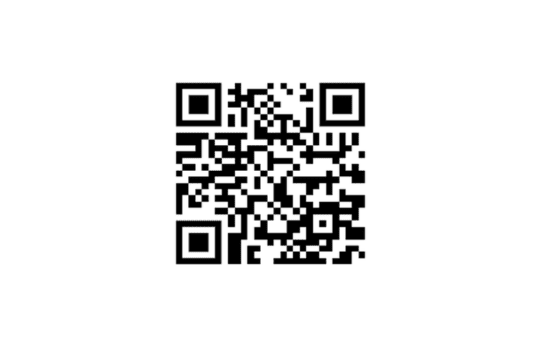
Please use our QR code for submitting feedback
HOSPITAL PASSPORTS
Please can parents/guardians of all young people over the age of 14yrs ensure that the information is correct on their hospital passport, and that it is shared with nursing.
If your young person’s hospital passport requires updating, please email Nursing on:
oxl-tr.cypinclusionteam@nhs.net
UPDATE FOR PARENT/CARERS
Nursing have been reviewing the supply of enteral syringes for those pupils that are on the list to receive them, in line with what our service users have said about sustainability.
Enteral syringe deliveries will now be received every four months and the amount your child/your person receives will be in line with their individual care needs.
If you feel your child/young person’s needs require more than the allocated number of syringes, please email: oxl-tr.cypinclusionteam@nhs.net
If you receive Disability Living Allowance this can also be used to purchase more syringes.
ASTHMA/ALLERGIES
A reminder for all parents/guardians with children/young people with Asthma to be mindful that even though the weather is warming up asthma symptoms can still be triggered.
Common triggers in the springtime include pollen, temperature shifts, air pollution from increased vehicle use, indoor irritants such as duct, cleaning products and smoking.
Your child/young person should have a written asthma plan from their GP surgery and should be offered regular asthma reviews. If your child/young person has not been invited for an asthma review for some time, please contact your GP to make an appointment.
Owing to pollen and mold allergies such as hay fever can emerge and worsen in springtime.
Hay fever symptoms include: Sneezing, coughing, runny or blocked nose, itchy, red or watery eyes, itchy throat, mouth, nose and ears, loss of smell, pain around the sides of your head and your forehead, headache and feeling tired.
If your child/young person requires more of their inhaler, or has prescribed medications for allergy relief, please inform the school nursing teams so that we can accommodate your child/young persons needs in school.
COUGHS, COLDS, FLU & RESPIRATORY ILLNESSES
Adenoviruses are a group of viruses that cause a range of infections. Unlike flu, which typically peaks in Winter, adenoviruses can occur all year around.
Symptoms of adenoviruses are often mild and similar to a cold e.g. fever sore throat, runny or congested nose, cough. These mostly occur in babies and children but can affect anyone especially those with weakened immunity.
Adenoviruses can also cause other illnesses, including conjunctivitis (pink eye), lung infections (bronchitis & pneumonia), croup (a barking cough in children), ear infections, and gastroenteritis (tummy bug).
Adenoviruses can be spread by droplets in the air, (coughs and sneezes), through contaminated water in swimming pools and coming in to contact with an infected persons excrement when carrying out personal care, especially if not wearing protective clothing.
Seek Medical Advice if your child/young person has any of the following symptoms:
- High fever for more than a few days
- Difficulty breathing
- Red eyes/eye pain
- Changes to vision
- Severe diarrhoea, vomiting or signs of dehydration.
If your child/young person is experiencing a cold or cough which is lasting longer than normal and not being eased by over-the-counter medications, please seek advice from your GP or 111.
Antibiotics are not recommended for the common cold or flu as they are only effective against bacterial infections. Colds and flu are caused by viruses. Advice from your local pharmacy can be helpful.
Please ensure that your child/young person has their flu jab and Covid jabs, if eligible, and that all the recommended childhood vaccinations are up to date.
RASHES & COMMON CHILDHOOD ILLNESSES
The nursing teams are happy to advise if children/young people are presenting as unwell and will do our best to signpost to other medical professionals.
Please remember that the nursing team are unable to diagnose. Any rashes and/or symptoms of common childhood illnesses should always be diagnosed by an appropriate medical professional.
Please adhere to medical advice received and do not send your child/young person back to school until they have fully recovered and are deemed no longer contagious. This will ensure that the other vulnerable children attending the special schools will be protected.
BASELINE ASSESSMENTS
Nursing undertakes baseline yearly observations on children with complex needs that attend our special schools.
These assessments involve: temperature check, oxygen saturations, respiratory rate, blood pressure and heart rate.
These observations help nursing and other allied health professionals to recognise the signs and symptoms of any illnesses that may present in our client group and act quickly and appropriately to ensure that every child remains in the best of health.
Wellbeing
- Stay warm and dry, layer up when out and about.
- Short enjoyable outdoor activity can help boost mood.
- Keeping active with even gentle. movements can help with stiffness.
- Maintain good nutrition and hydration.
- Frequent hand washing to prevent infection.
- Make sure vaccinations are up to date.
Mental and emotional well being: Routine and predictability are key along with visual schedules and checklists.
Sensory Support: Weighted blankets, soothing sounds and lighting help with sleep and regulation.
Stress Management: Incorporate hobbies, meditation and journaling can help.
Safety and Preparedness: Have a back up for medical equipment during power outages.
Register with utility companies as a vulnerable customer.
Home Safety: Check heaters are safe and serviced regularly and have fire safety measures in place.
Ventilation: Balance warmth with good ventilation to reduce the spread of germs.
If your child/young person is resistant to wearing certain items of clothing or is an independent dresser try visual storyboards showing different types of weather and appropriate clothing.
If unsuccessful speak with school staff about incorporating this in their class activities.
Explore Fun Ideas This Spring Break
If your child/young person is between the ages of 4yrs to 16yrs and are receiving benefit-related free school meals, they may be able to qualify for a free holiday club space.
Each family can sign up to four sessions of free holiday provision through the scheme.
Spaces are usually available for children with special educational needs and disabilities (SEND). These may continue to run throughout the Easter Holidays.
There are also many free and affordable activities available to explore throughout Greenwich and Bexley Boroughs which include museums, toy libraries, open spaces, recreation parks and water parks. Often local leisure centres offer sessions dedicated to children/young people with special needs.